

Linking urban multimodal hubs to the High-Speed Rail
16th Intermodal Forum

During the 16th Florence Intermodal Forum, co-organised by the Transport Area of the Florence School of Regulation together with the EC’s DG MOVE, experts will explore the best practices, identify persistent bottlenecks, and discuss the governance frameworks needed to establish efficient multimodal hubs.
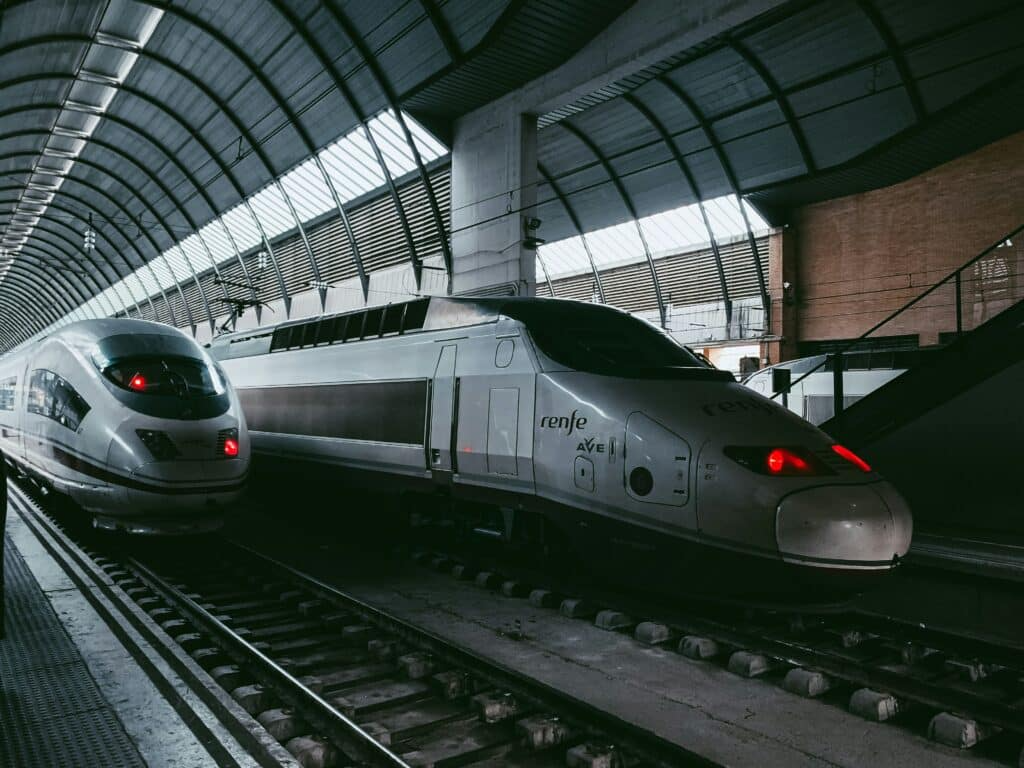
European cities face urgent challenges in decarbonization, congestion, road safety, and managing growing passenger and tourist traffic. Stakeholders must now rethink how people move across and within cities. Over the last few years, Europe has accelerated the rollout of new High-Speed Rail (HSR) corridors, thanks to the 2024 amendment to the TEN-T regulation. However, the challenge is not restricted to building faster lines, but it extends to ensuring that urban multimodal hubs become seamless gateways between long-distance rail and urban mobility. For these reasons, the integration of urban multimodal hubs with the ever-expanding HSR network is pivotal to support the EU’s transport policy agenda.
The recently published High-Speed Rail Action Plan aims to reduce journey times, eliminate cross-border bottlenecks, harmonise standards, and enhance cross-border ticketing systems to promote competition and interoperability in the HSR market. However, there is a need to integrate HSR with urban mobility planning, as urban space constraints, fragmented planning processes, and technical interoperability issues limit the efficiency of all services. Effective urban planning is crucial as it integrates land use, mobility, and accessibility into a cohesive strategy. It ensures that transport infrastructure supports sustainable growth, reduces congestion, and enhances connectivity between neighbourhoods and economic hubs. In the context of HSR, urban planning determines how stations are embedded within cities, influencing patterns of development. Service connectivity and the evolving needs of passengers who are now increasingly using HSR services instead of short-haul flights. This requires reliable and properly integrated last-mile services. However, governance is the critical enabler for seamless mobility as it coordinates the interests and responsibilities of HSR infrastructure managers, train operators, and urban public transport authorities.
Therefore, the 16th Florence Intermodal Forum will explore the best practices, identify persistent bottlenecks, and discuss the governance frameworks needed to establish efficient multimodal hubs. The Forum, co-organised by the Transport Area of the Florence School of Regulation together with the EC’s DG MOVE, will tackle the following questions:
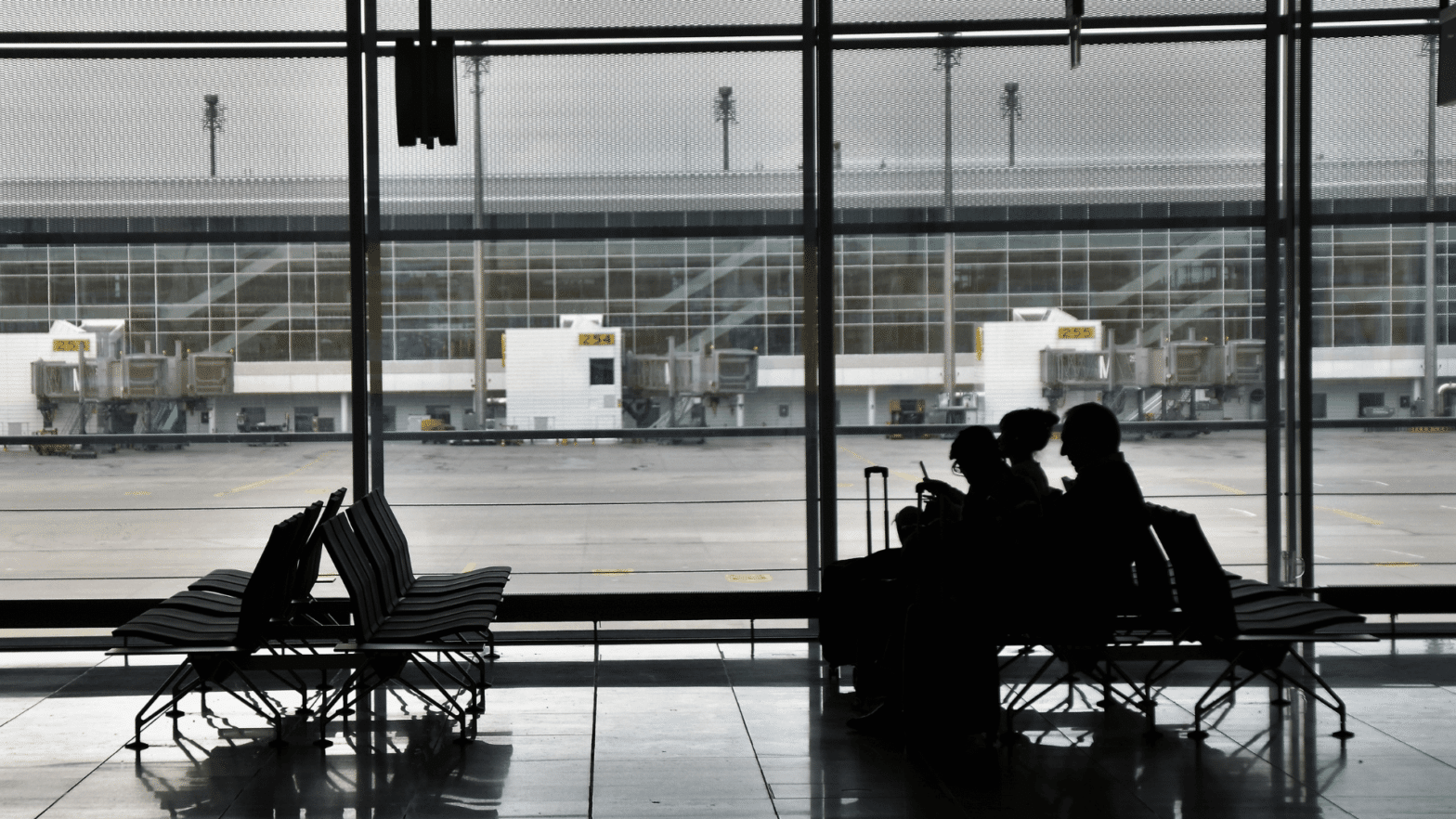
- Integrating High-Speed Rail with Urban Multimodal Hubs: What are the main challenges (e.g., urban space constraints, disparities between urban and rail planning, etc)? What are best practices? What are the key elements of the ideal hub to ensure a seamless flow of travellers?
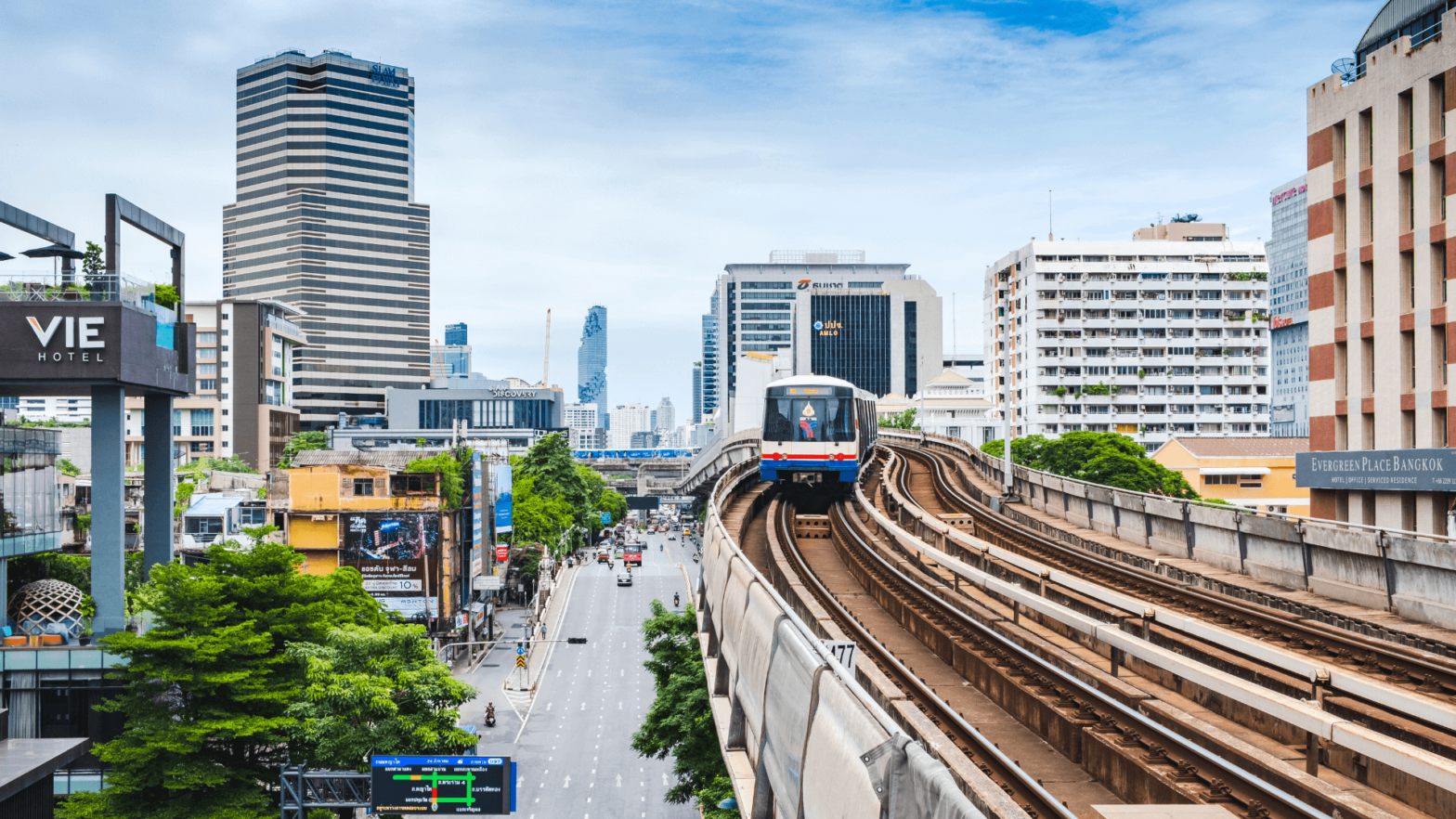
- Services connectivity: The door-to-door travel offer using EU high-speed rail as the backbone should serve all passenger segments from business to sustainable tourism. What are their needs in terms of last-mile mobility service in cities? What type of investments are necessary?
- Governance – Integration of High-Speed Rail stakeholders with urban mobility stakeholders in order to provide a seamless experience to travellers: Which instruments are currently available or should be developed in order to better coordinate high-speed rail and urban mobility connectivity? Is there a role for multimodal (railway) hub managers? Is there a role for SUMPs to play? What roles for Urban Public Transport Authorities/operators, high-speed rail infrastructure managers and services providers, TEN-T coordinators, others?
Kindly note that the event is by invitation only.
Don’t miss any update on our events
Sign up for free and access the latest events from our community.
More on the topic