

Gas as an integral part of the EU decarbonisation strategy
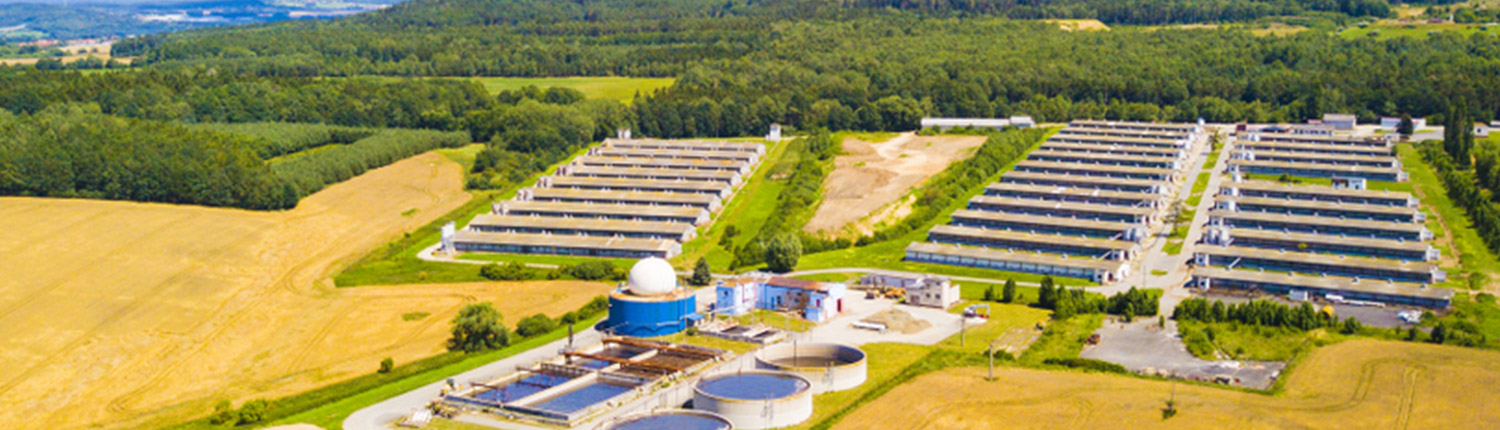
Biogas, biomethane, hydrogen and other “green gases” are increasingly being discussed as a part of the long-term EU decarbonisation strategy and as enablers energy transition.
The intermittent nature of renewable electricity production and the ambition to reach a share of 50% or above of wind and solar in the EU generation mix by 2030 invite reflection on the role of conventional natural gas in power in the short-to-medium term. Further, natural gas today plays a major role in industry and the residential heating sector.
Recent energy-related protests have underlined the importance of ensuring that the EU’s decarbonisation strategy is accompanied by public acceptance, and a great deal of public acceptance will be determined by the affordability of energy for citizens.
Despite the adoption of Paris Agreement and very recently the Katowice Rulebook, the IEA expects that oil, gas, shale gas and coal will continue to provide a great share of the global energy supply. Moreover, in several non-EU countries the consumption of conventional fuels, including natural gas, is foreseen to increase in the next years. IEA scenarios for Europe also see some continuing role for fossil fuels (see IEA World Energy Outlook 2018).
To what extent can we discuss the role and long-term prospects for conventional gas in this context? What should the next Commission do in order to ensure the EU decarbonisation strategy is carried out in a cost-effective way? Which problems should the Gas Market Design address and how should it address them?
Download the presentations
- Christopher Jones | FSR
- Ilaria Conti | FSR
- Eva Hennig | Eurogas
- Anne Sophie Courbeau | BP
- Lisa Fischer | E3G
- Torben Brabo | GIE
Programme Sessions:
- Setting the scene: How can gas ensure that the EU meets its goals and keeps energy costs low for citizens and industry?
- 1st Session: The role of gas in an increasingly electrified world
- 2nd Session: What support is needed for the decarbonisation of energy-intensive industries?
- 3rd Session: Fuelling transport – CNG, LNG, hydrogen?
- 4th Session: The evolving building heating sector: electrification, hybrid heating, or hydrogen?
This workshop was organized in partnership with FSR, GIE and Eurogas
Don’t miss any update on our events
Sign up for free and access the latest events from our community.
More on the topic