
Social and nonlinear tariffs in safe water in France: cui bono?
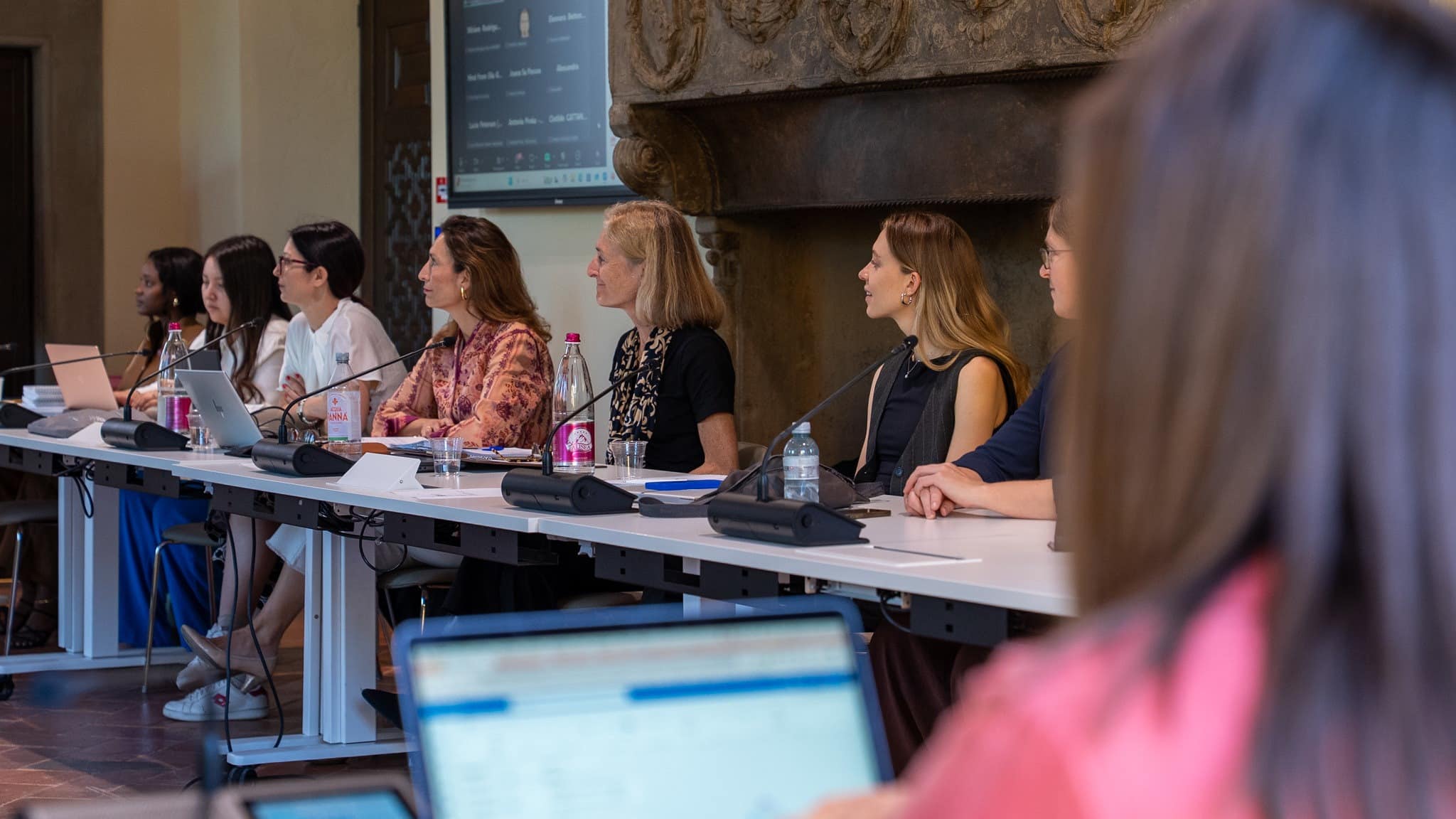
The paper “Social and nonlinear tariffs in safe water in France: cui bono? An empirical study applied on a natural experiment in France” (Mayol, A., Porcher, S.) will be presented at the 5th Conference on the Regulation of Infrastructures (24 June 2016).
ABSTRACT
This empirical study discusses both efficiency and equity of the nonlinear tariffs in the safe water sector. The management of this specific good is caught in the middle of two objectives: saving this natural resource on the one hand, while ensuring its access to everyone on the other. For this reason, authorities wish to explore innovative discriminatory progressive tariffs clustered with social measures. Using an original panel database, we econometrically explore the impact of tariffs changes on consumption (linear versus non linear) on a natural experimentation in France. We show that this measure reduces global consumption. However, we also find that the cost is not equally shared by all consumers. Public policy implications of such tariffs in safe water may lead to discussions on their real efficiency, reviving the ancient adage: cui bono?
ABOUT THE AUTHORS
Simon Porcher received his Phd in Management from Université La Sorbonne, his MSc in Economics from the Paris School of Economics and his MSc in Public Affairs from Sciences Po. His research mainly revolves around the organization and performance of local public services in France, specifically in the context of privatization and public-private partnerships. He has published academic articles in journals such as the Journal of Public Administration Research and Theory, Energy Economics, Applied Economics, European Management Review, book chapters and international conference papers. Currently an Assistant Professer at the Sorbonne Business School, Simon was previously lecturing at the London School of Economics, and served as a Robert Schuman visiting fellow at the European University Institute.

Alexandre Mayol is PhD candidate in Paris School of Economics and Sorbonne University. He is graduated from Ecole Normale Superieure in Law, Economics and Management. His research areas deals with about the water distribution, pricing and industrial organization. He is member of the Economics of the Public-Private Partnerchips Chair (Sorbonne Business School).
Website: www.parisschoolofeconomics.eu/fr/mayol-alexandre/
DOWNLOAD
Presentation given by Simon Porcher
Don’t miss any update on this topic
Sign up for free and access the latest publications and insights
More on the topic