

The Potential of Distributed Energy Resources to Tackle Climate Change
Speakers
Santiago Blanco, Director and Energy Area Manager for Spain and Portugal, DNV GL
Richard Schmalensee, Howard W. Johnson Professor of Management and Economics Emeritus, MIT
Laszlo Varro, Chief Economist, International Energy Agency
Moderated by: Xavier Labandeira, Director, FSR Climate
Distributed Energy Resources (DER) are increasingly seen within the power sector as a key element to tackling climate change. DER generation technologies are one of the main vectors for the development of renewables in electricity – particularly photovoltaics (PV) – and batteries would be a suitable solution for their integration. The rapid development of distributed generation, together with the cost reduction of these technologies and the development of new business models, have led to a significant debate on DER and their general implications in the past few years. While most experts recognise the important role of DER in the future of the electricity sector, opinions differ as to whether DER should have a predominant role or only be complementary to the centralised generation and restricted to some market niches (e.g., some specific types of customers or services or isolated areas). These various opinions are usually supported by the comparison of the DER costs and benefits with respect to a centralised supply.
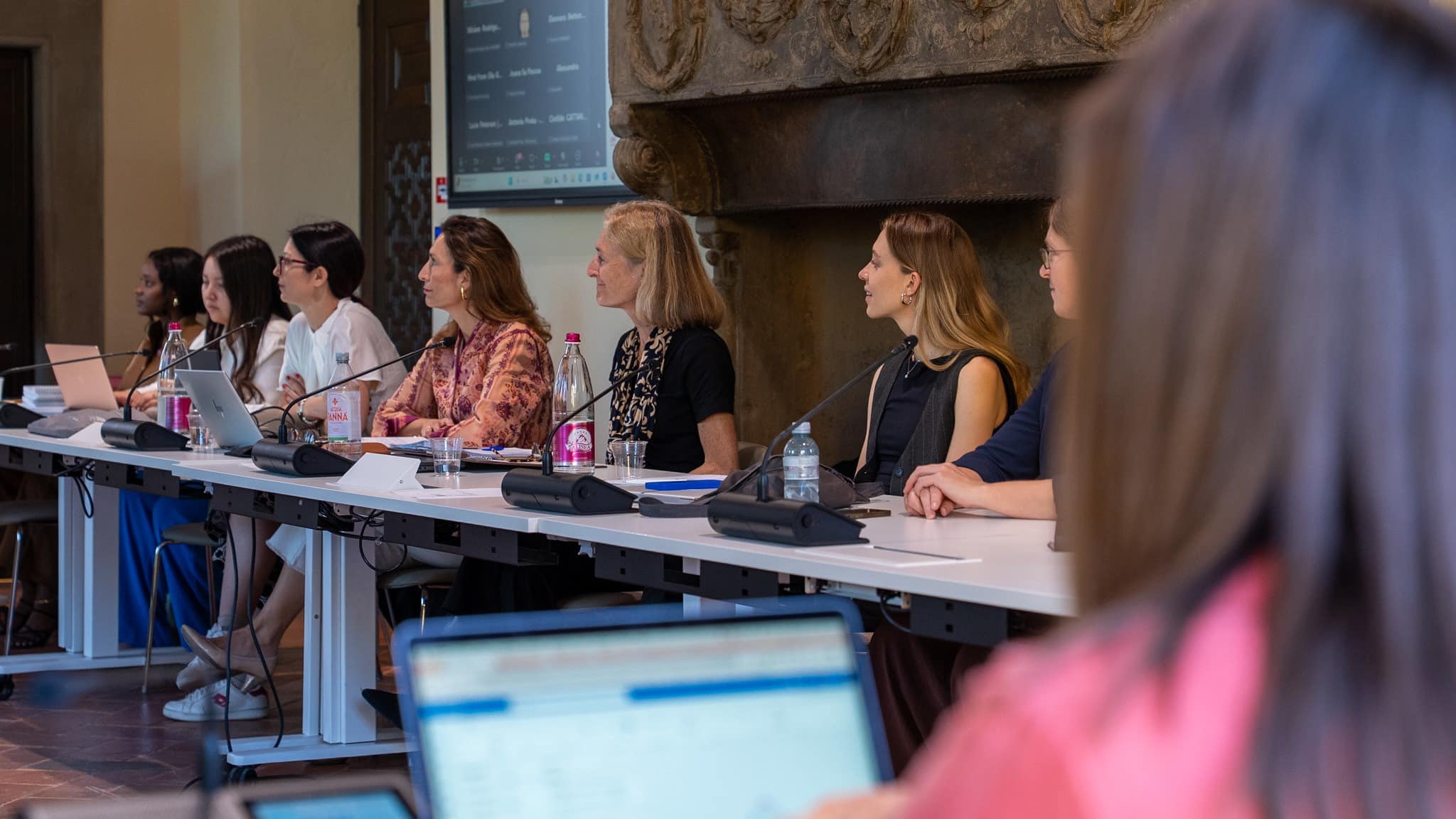
This one-hour live debate brought together three high-level experts to discuss the current situation and the future of DER, with a special focus on PV and batteries.
Watch the full recording of the debate:
Watch the introductory presentations by the speakers and moderator made available prior to the debate
Xavier Labandeira, moderator: Introduction to the debate
Santiago Blanco: Distributed energy resources in systems with electric grids
Richard Schmalensee: Distributed Energy Resources in Systems with Electric Grids
Laszlo Varro: The Electricity Network in a Low Carbon Energy System
Speaker bios
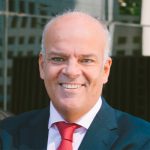
Santiago Blanco
Santiago Blanco is Director and Energy Area Manager for Spain and Portugal in DNV GL (formerly KEMA and GARRAD HASSAN). He has extensive experience in the Energy Business, having held executive positions in different consulting companies for more than 25 years and having worked with a great variety of renewable companies, TSOs and DSOs. He has a deep insight into the future of the T&D Business with a focus on the impact of the liberalisation of the Market, Renewable Integration and Energy Efficiency. He contributed to a number of relevant studies such as “The Development of Smart Grid in Spain”, FUTURED (member of the Steering Committee of FUTURED, Spanish National Smart Grid Technological Platform)”, “Regulatory analysis for the development of Smart Grids” for the Spanish Regulatory Agency CNE, (member of the Smart Grid Advisory Grouo, 2012),“IEC Smart Grid Standardization Roadmap v2”, (member of the IEC Strategic Group on Smart Grid) and “Cost Comparison Study of Centralised vs Distributed Renewable Generation”.
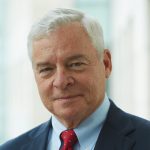 Richard Schmalensee
Richard Schmalensee is Howard W. Johnson Professor of Economics and Management, Emeritus at MIT. He has served as Director of the MIT Center for Energy and Environmental Policy Research and, from 1998 through 2007, as Dean of the MIT Sloan School of Management. He was the Member of the President’s Council of Economic Advisers with responsibility for energy and environmental policy from 1989 through 1991. Professor Schmalensee has published 11 books and more than 120 articles; his recent work focuses on applications of industrial organisation economics to energy and environmental policy. He is a Fellow of the Econometric Society and the American Academy of Arts and Sciences, a Director of the National Bureau of Economic Research, and Chairman of the Board of Resources for the Future.
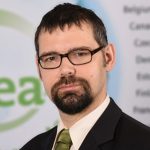 Laszlo Varro
Laszlo Varro is the Chief Economist of the International Energy Agency. He leads the Economics and Investment Office, which is responsible for providing energy economics insights for the policy and energy security analysis of the IEA. He oversees the comprehensive coverage of investment in the energy sector and leads the Energy Business Council, the IEA’s main engagement platform with the private sector. Until 2016 Laszlo held the position of Head of Gas, Coal and Power Markets at the IEA. Until 2011 Laszlo was the Director for Strategy Development at MOL Group, a publicly-quoted oil and gas independent. He holds graduate degrees from the University of Cambridge and Corvinus University of Budapest.
Don’t miss any update on our events
Sign up for free and access the latest events from our community.
More on the topic